


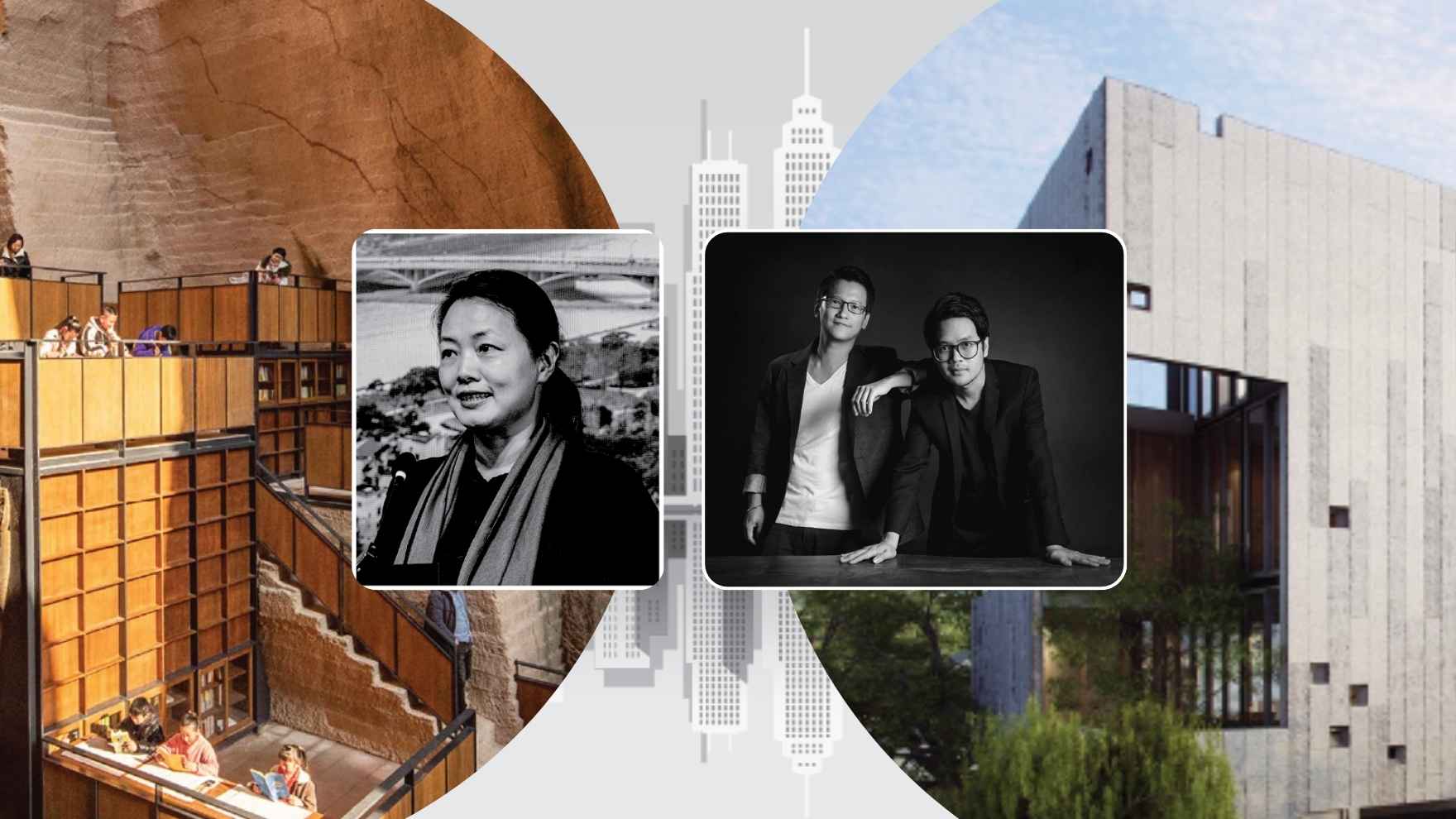
For some architects, Bangladesh is not only a site of architectural curiosity but also a place where questions of resilience, community, and sustainability come into sharp focus. In Dhaka, during the IAB Arch Summit 2025, conversations revealed how the country’s climate, culture, and social fabric inspire new ways of thinking about architecture’s role in everyday life.
In this second and final instalment of Shaping Bangladesh Magazine’s two-part series, we turn to Tiantian Xu—whose “social acupuncture” reanimates rural landscapes—and Bangkok-based studio Stu/D/O, known for weaving sustainability into urban and cultural projects.
Together, their perspectives highlight how Bangladesh can be read not only through its traditions but also through its potential to reimagine architecture as a force for care, community, and long-term value.
Ar. Tiantian Xu: The Social Acupuncturist
While many architects focus on urban skylines, Tiantian Xu has emerged as a global voice for rural revitalisation. Known for her small-scale, carefully placed interventions, Xu’s work quietly reanimates local landscapes rather than dominating them. As our conversation unfolded, her calm, measured way of speaking reflected this very attentive approach. Approach.
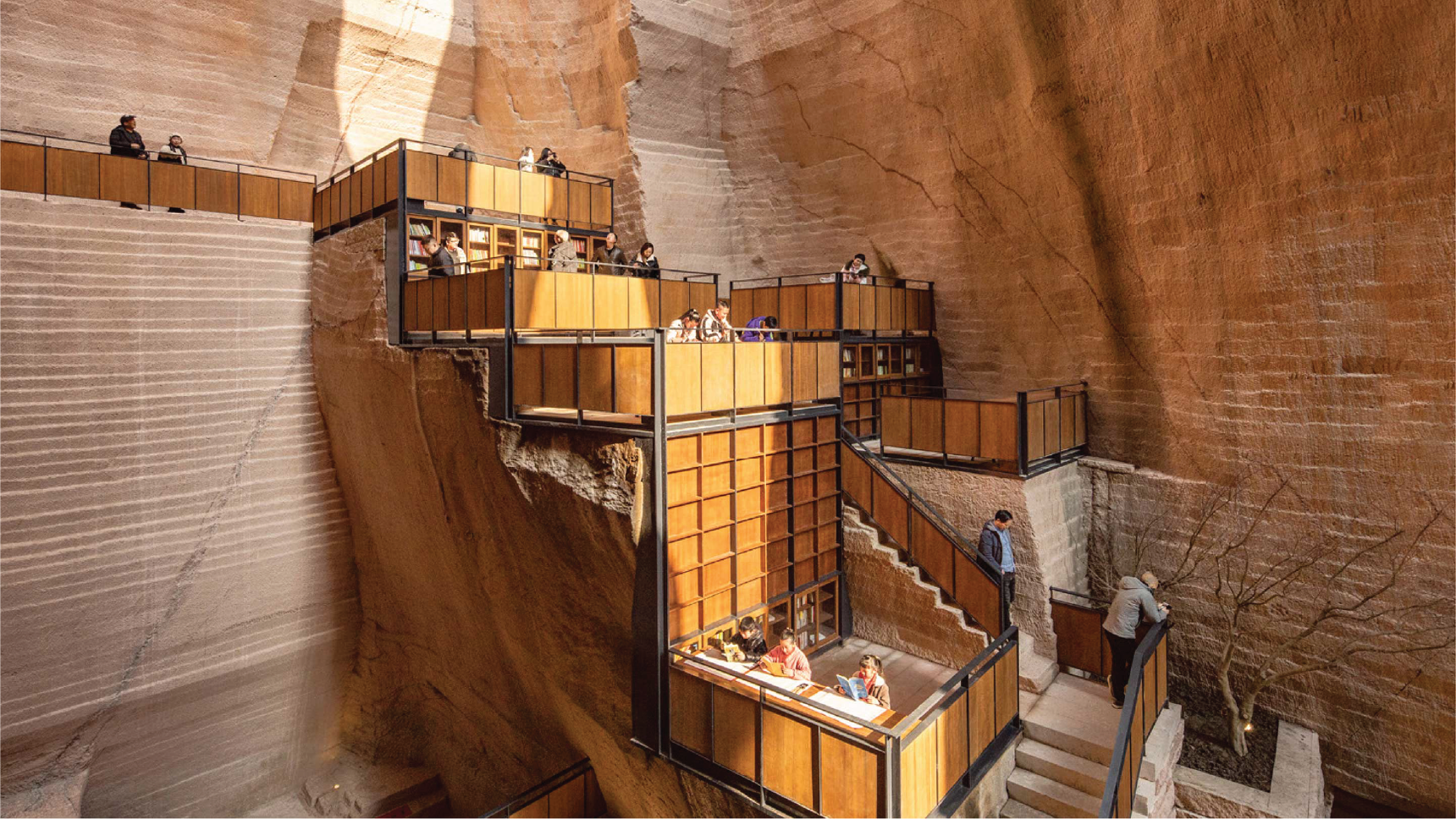
For Xu, a project begins not at the drawing board but in the field. She emphasises the importance of communicating closely with local communities and administrations to understand what is most urgent, relevant, and essential.
Her design philosophy is responsive and emergent, developing organically through collaboration. “Often, villagers don’t have a fixed idea; they see us as advisors,” she explains. “It’s almost like co-creating.”
Visiting Bangladesh for the first time, Xu was deeply moved by the country’s vibrant culture and tropical atmosphere, which reminded her of her childhood in south-eastern China.
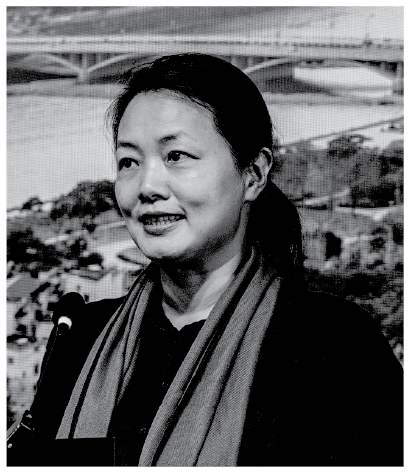
She spoke with particular admiration for Marina Tabassum’s Bait-ur-Rouf Mosque, citing it as a minimal yet powerful, community-focused project that demonstrates how architecture can serve everyday life rather than privilege.
When discussing gender in architecture, Xu underscores substance over identity. For her, it is not about who is designing, but what the design stands for. Architecture, she believes, is ultimately a commitment to care and context—a choice any architect can make.
Addressing Bangladesh’s increasing exposure to severe and frequent earthquakes, Xu suggested looking towards precautionary measures adopted in Japan and China—particularly in the construction of schools and public shelters—to enhance the safety and resilience of communal spaces.
The founding principal of DnA_Design and Architecture, Xu has dedicated her practice to what she describes as the “mandate of the times”: the revitalisation of rural China. Her work has received global recognition, including the Moira Gemmill Prize for Emerging Architecture in 2018 and an Honorary Fellowship from the American Institute of Architects in 2020.
The Urban Alchemists: Stu/D/O
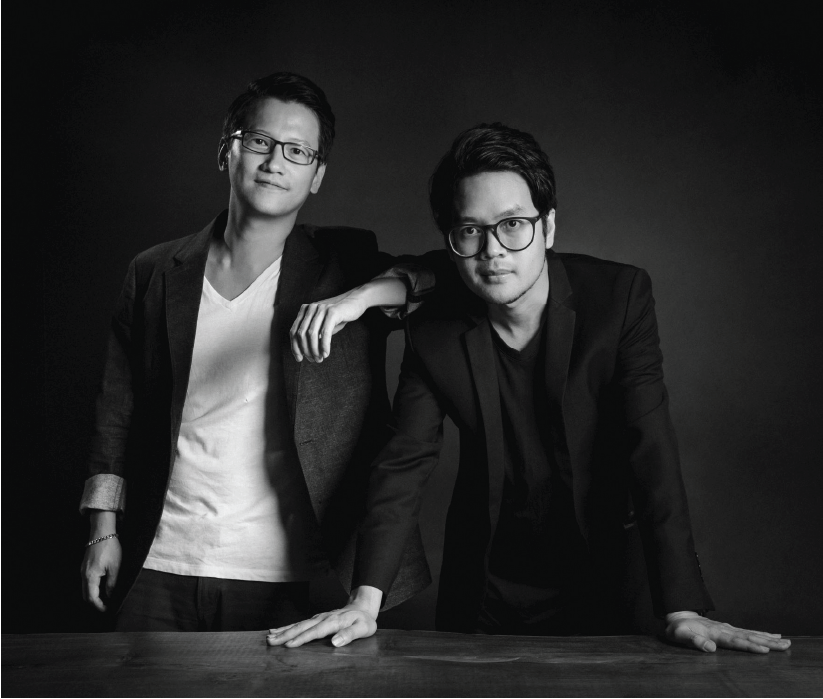
One is an MIT-trained urban strategist; the other, a sustainability expert recognised by the Architectural Association in London. Together, Apichart Srirojanapinyo (O) and Chanasit Cholasuek (D) founded Stu/D/O Architects, a Bangkok-based studio that operates at the intersection of architecture, urbanism, and sustainable design.
Their practice is built on the conviction that architecture must respond to both the physical and cultural layers of a site, nurtured through a collaborative studio culture that prioritises fresh, site-specific possibilities.
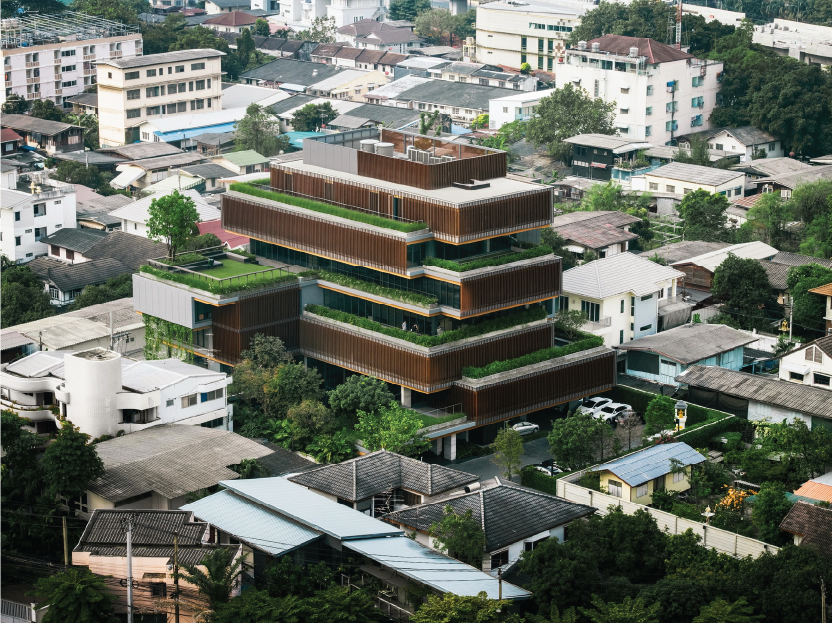
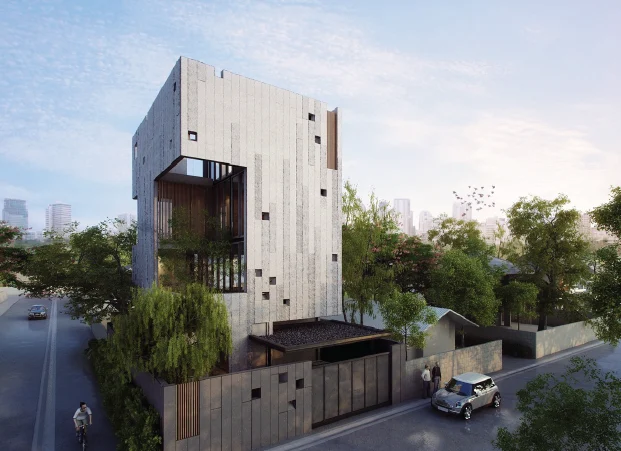
For architects—like other artists—the materials they work with remain central to exploration. According to Chanasit, the “fanciest” materials are often the most natural ones, valued for their simplicity and authenticity. For a large-scale retail project for Central Pattana, they transformed humble ceramic tiles into an expressive, practical architectural skin.
Apichart, however, finds beauty in pragmatism—in concrete. In Thailand, concrete is a material that is widely available and affordable, unlike steel. Beyond its structural role, he enjoys exploring its architectural potential—especially how exposed concrete can shape spatial character and atmosphere.
Despite a portfolio filled with high-end private commissions, the duo’s “dream project” remains rooted in the public realm. They see a glaring void in Thailand’s cultural infrastructure, where museums and public institutions are often sidelined by political instability and a lack of long-term planning.
“Government projects often face hurdles that prevent consistent backing,” Apichart notes. Their shared aspiration is to create cultural platforms that serve the community and leave a legacy that transcends political cycles.
On the challenges of achieving fully sustainable architecture, Apichart remains optimistic. “It’s definitely possible,” he says.
The challenge is often practical: truly sustainable materials are not always affordable or locally available, and importing them—even those that are zero-carbon—can undermine their feasibility.
Chanasit broadens this view by stressing that sustainability is not limited to material performance alone. “We think about sustainability socially and economically, not just architecturally,” he explains.
“A good project should strengthen local livelihoods, support the surrounding community, and create long-term value—beyond the physical life of the building.”