


Stepping into the third floor of Kalakendra in Lalmatia, the air feels heavy with the scent of ink and the quiet energy of a shared craft. The 14th Kibria Printmaking Fair, which began on May 1 and concluded on May 9, transformed the art center into a vibrant hub where the past and future of Bangladeshi printmaking met in a rare and seamless dialogue.
Organized by the Kibria Printmaking Studio, this year’s fair felt larger and more inclusive than ever.
The printmaking fair showcased a massive collection of works, the ground floor hummed with the physical labor of the medium, as students spent their afternoons carving metal plates and operating printing machines.
A Gathering of Creative Energies
What made this 14th edition stand out was the sheer scale of participation. More than 200 artists—ranging from fresh-faced students to seasoned teachers and young professionals—brought their visions to the fair. These works represented 15 different institutions from across the country, including major fine arts faculties from Dhaka, Khulna, Rajshahi, and Jagannath University, alongside independent spaces like Bengal Foundation and Cosmos Atelier ’71.
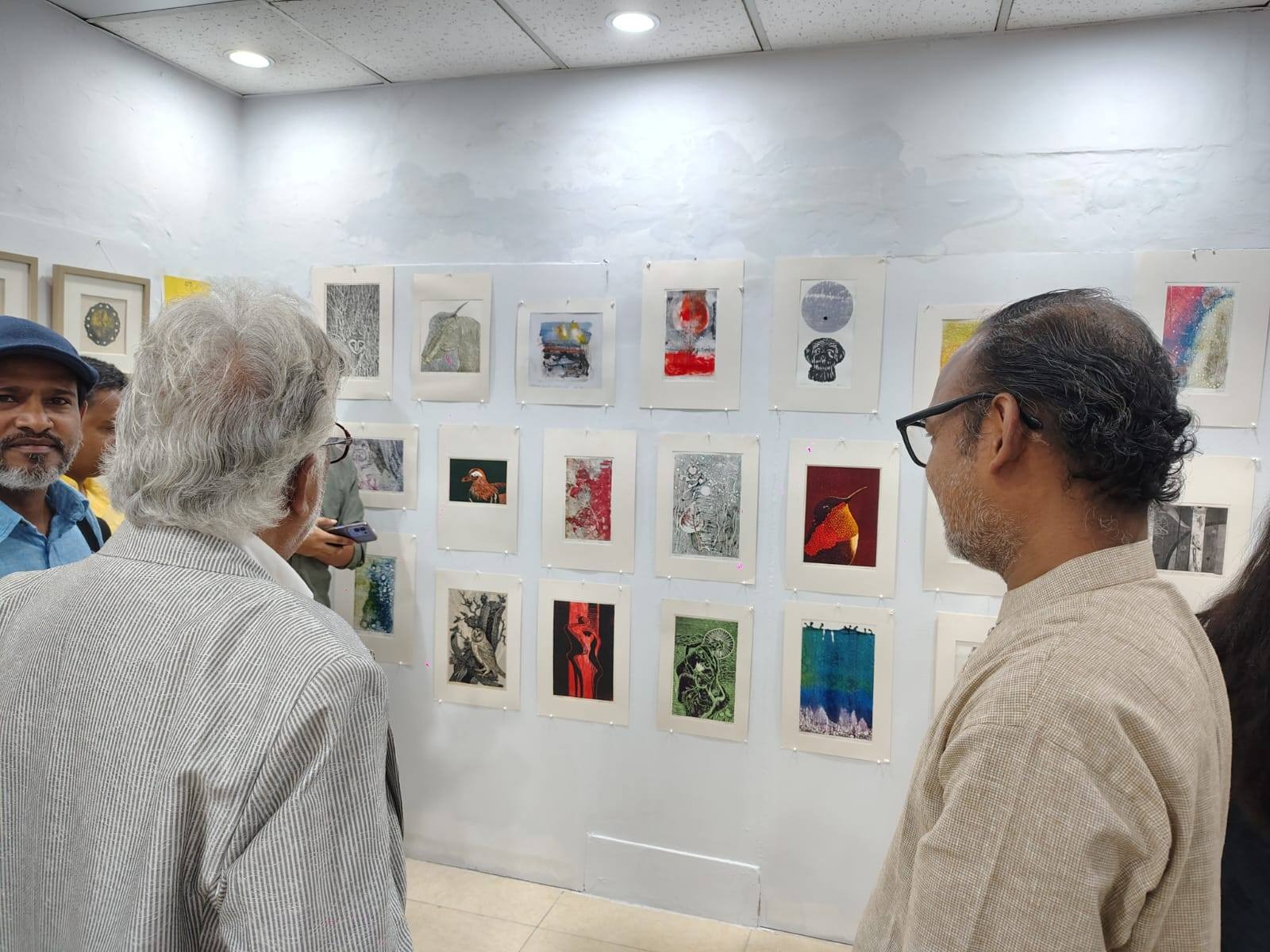
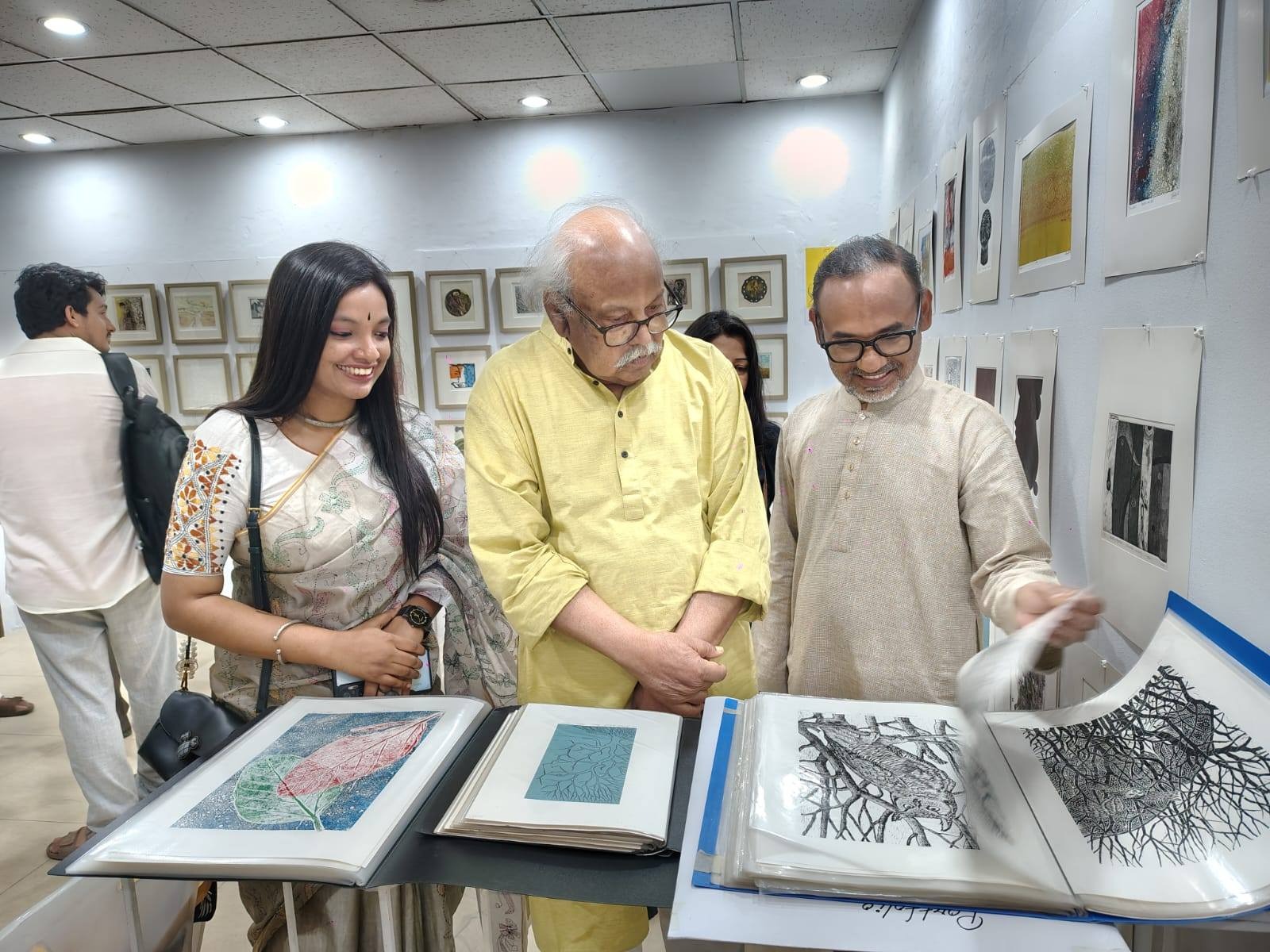
Walking through the stalls, it was clear that printmaking in Bangladesh is evolving. The fair offered a rare chance for the public to collect prints at affordable prices, making art accessible to everyone from serious collectors to curious students. There is something deeply democratic about the medium of print, and seeing so many young artists reclaiming these techniques was a reminder of its enduring relevance.
Honoring the Pioneers
While the printmaking fair wrapped up on May 9, the festival continues through the special exhibition “Pioneers of Printed Images,” which remains open until May 23. This segment of the festival offers a window into the early, often unseen works of four legendary masters: Safiuddin Ahmed, Mohammad Kibria, Rafiqun Nabi, and Monirul Islam.
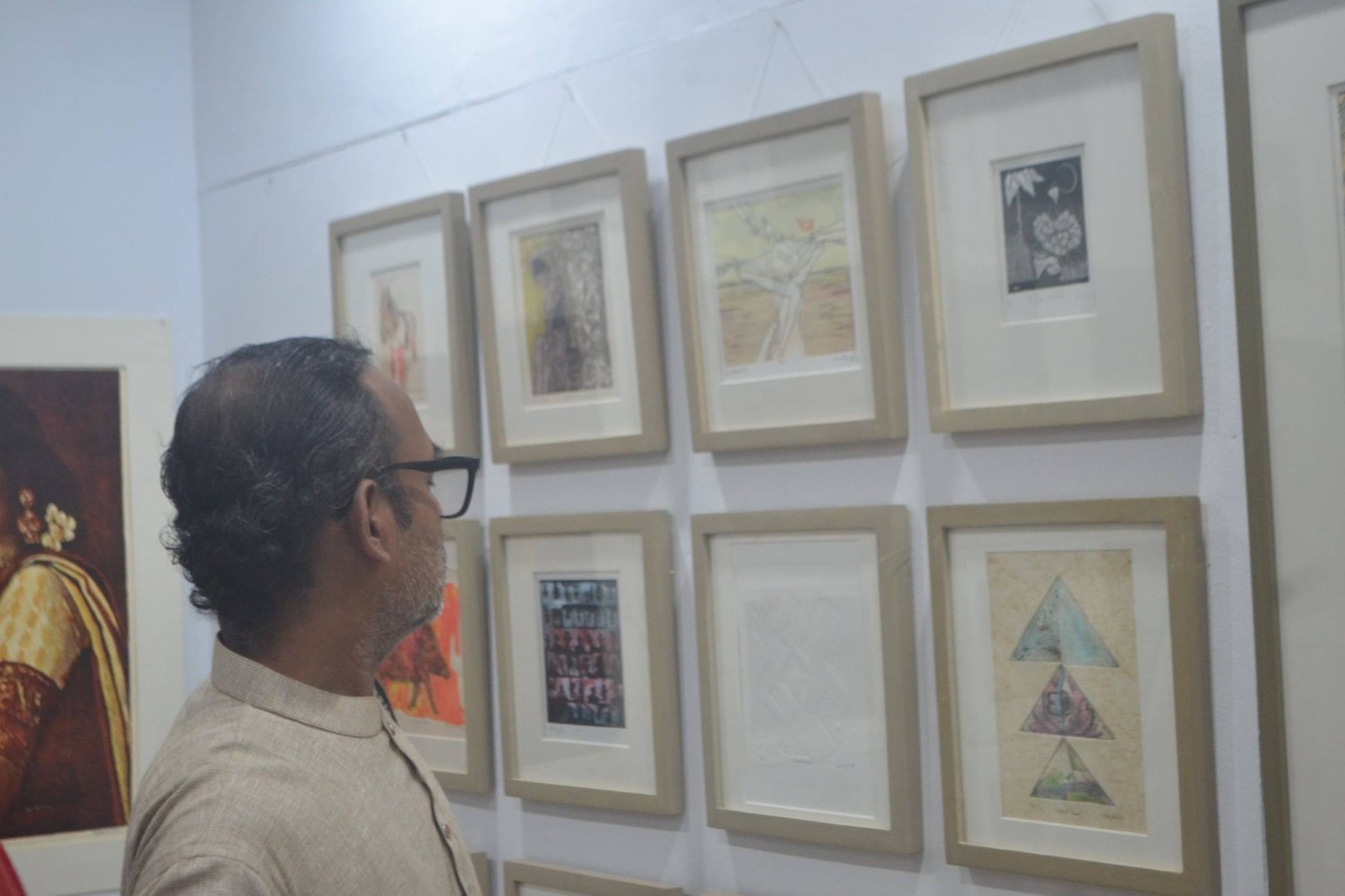
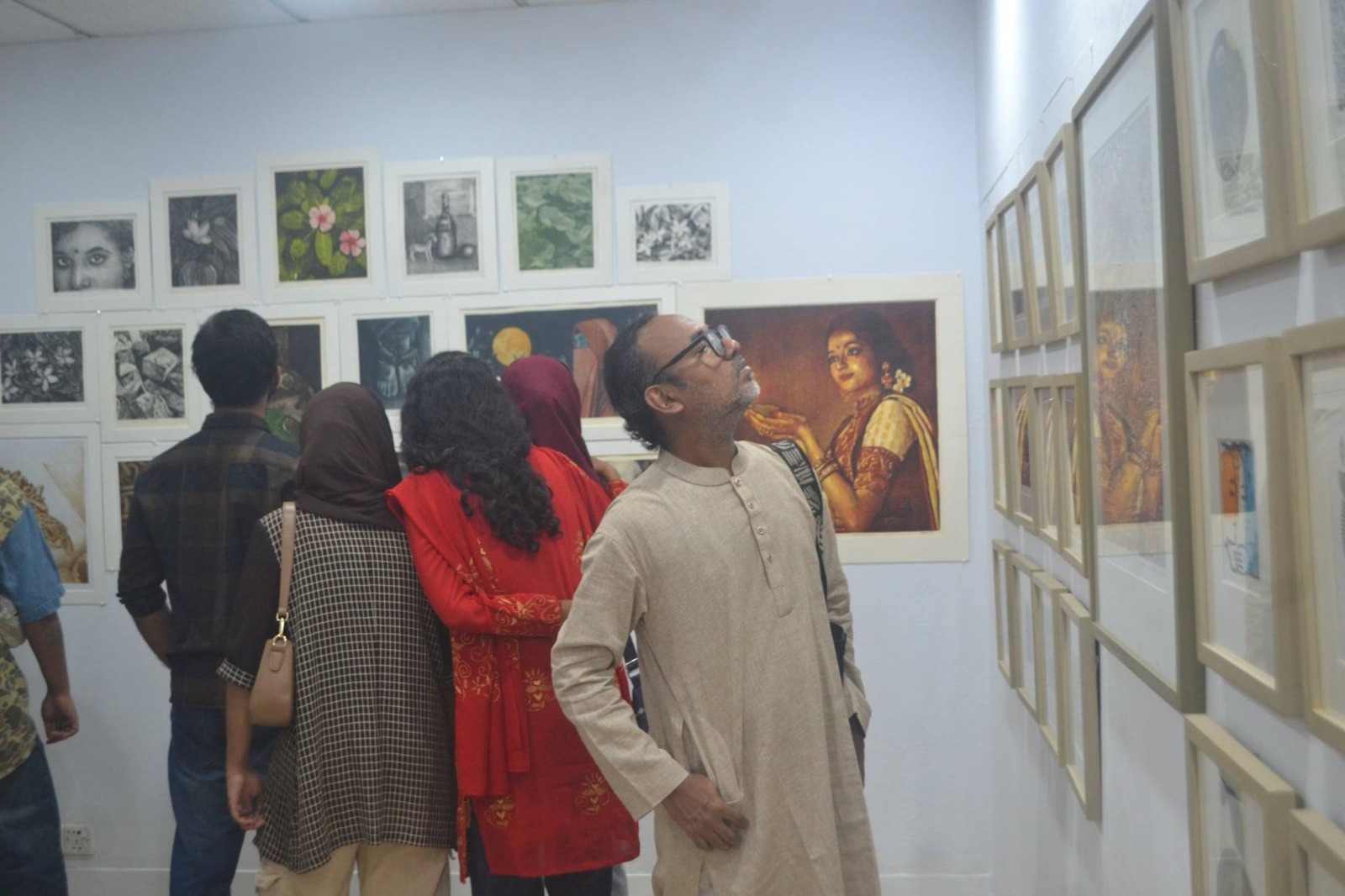
For many young artists, seeing these historical pieces—some dating back to the 1940s—is like rediscovering a lost language. The wood engravings of Safiuddin Ahmed and the lithographs of Mohammad Kibria reflect a level of precision and poetic vision that laid the groundwork for everything we see today.
Artist Wakilur Rahman, the director of Kalakendra, noted that such exhibitions are vital because they introduce the new generation to the roots of their practice, especially in a landscape where such initiatives are rarely supported by the state.
A Living Dialogue
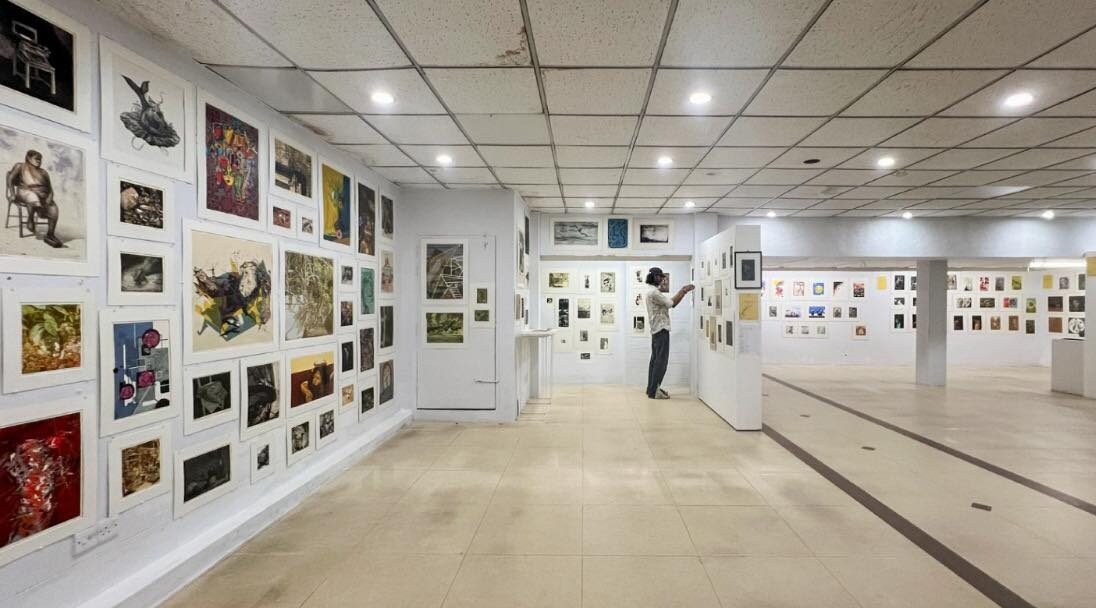
The final phase of the festival, the “Contemporary Printmaking Exhibition”, will be held from May 12 to 23. This exhibition will highlight the multidimensionality of contemporary printmaking practice.
As the workshops continue and the galleries remain open daily from 4 pm to 8 pm, the festival invites us to slow down and appreciate the intricate, manual beauty of an art form that refuses to be hurried. It is a celebration of a legacy that continues to grow, one impression at a time.